
Understanding the repeats system and script statuses in Compound Direct

The Repeats System in Compound Direct is designed to simplify and standardise how repeat prescriptions are managed throughout the dispensing lifecycle. It provides a structured way to track prescription supplies, monitor repeat quantities, and manage different dispensing scenarios while maintaining a clear record of each prescription.
This guide explains the key concepts and statuses used within the repeats system, including repeats, supply numbers, variable supply, external repeats, deferred prescriptions, owing prescriptions, repeat authorisations, and refill reminders. It also explains how these features work together to support dispensing workflows, from the initial supply through to subsequent repeats and outstanding prescription requirements.
Key terms in the repeat system
Repeats total: This refers to the total number of repeats allowed on the prescription. For example, if a prescription has a Repeats Total of 3, it can be dispensed three times in total (initial supply + 2 repeats).
Minimum repeat interval: This is the minimum number of days that must pass before the script can be refilled. It helps ensure that medications are not dispensed too early.
Supply number: Indicates how many times the prescription has been dispensed or prepared, including the current supply. For example, if the prescription has already been supplied once, the next dispense will have a Supply Number of 2.
Deferred: Used when a patient presents a prescription but chooses not to have the medication dispensed immediately. This is commonly done when the prescription includes multiple items, and not all are needed at the same time.
Owing: Used when medication is being dispensed before the prescription is available. This may apply when dispensing from a digital image of a physical prescription or while waiting for the original or replacement prescription to be provided.
External repeat: Used when a repeat prescription is to be supplied by a different pharmacy from the original dispensing location.
Repeats system
The repeat system includes both the Repeats Total and the Supply Number. Each time a prescription is dispensed, the Supply number increases automatically, making it easier to track how many supplies have been prepared for that script. For example, if the prescription is being dispensed for the first time, the Supply number will display as 1.
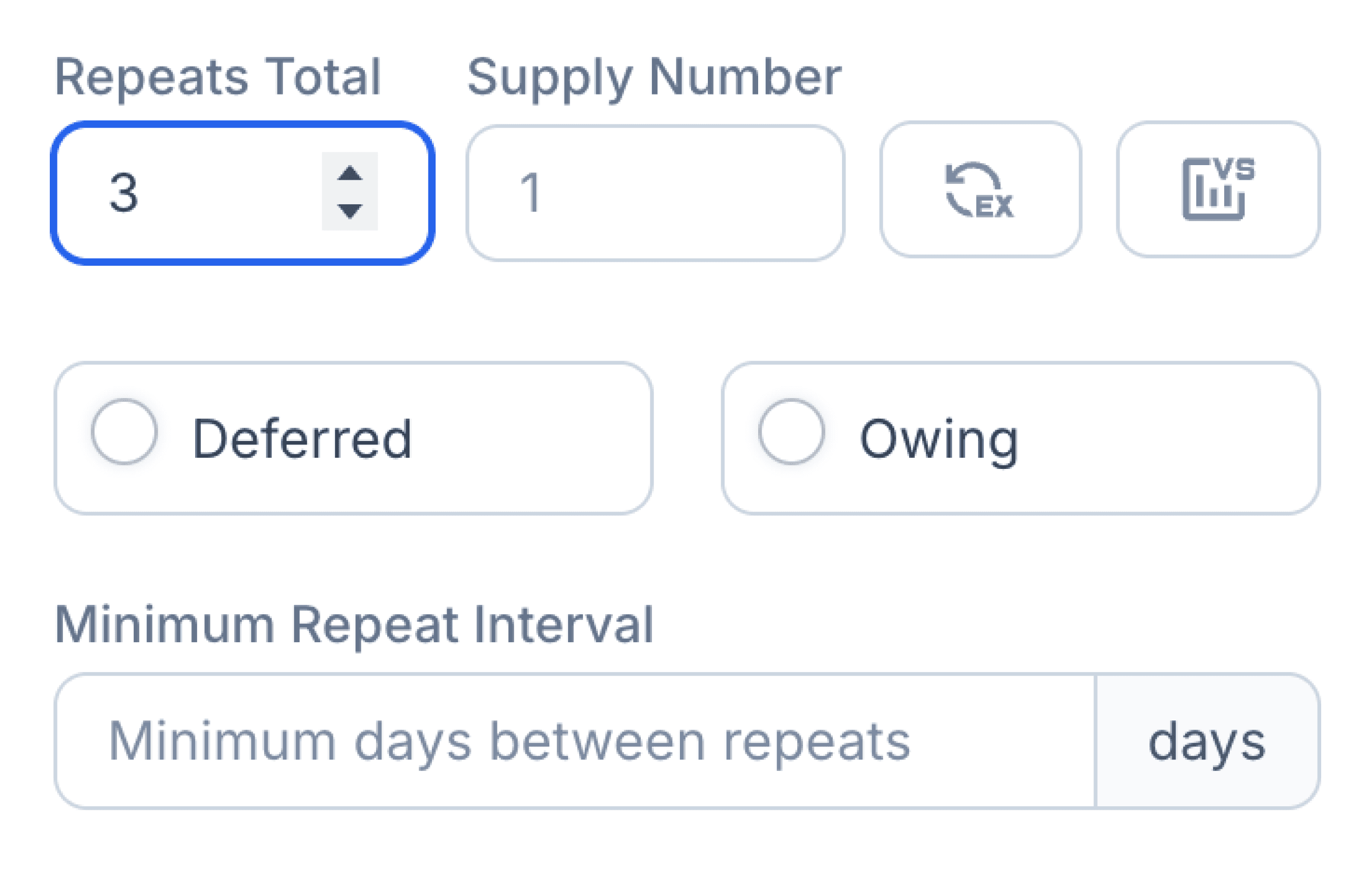
From the drafts page
Repeat details can be viewed directly from the Customer page, including the total number of repeats allowed, repeats remaining, and the number of times the prescription has already been supplied. This structure provides clearer tracking, improves visibility during dispensing, and helps reduce the risk of unintentional errors.

From the customer page
Variable supply
Some prescriptions may not be dispensed in full at once. This is where Variable Supply is used. Variable Supply allows the pharmacy to dispense a reduced quantity while continuing to track the remaining amount against the original prescription. The system will continue to allow additional supplies until the full prescribed quantity is met, regardless of how many repeats were originally indicated.
With Variable Supply, the system tracks the Total Prescribed Quantity and Total Quantity Remaining, then subtracts the Final Units entered for the script from the Total Quantity Remaining. The focus is placed on tracking the cumulative quantity supplied rather than the number of times the prescription has been dispensed. This supports more flexible dispensing while ensuring the total quantity supplied stays within the original prescription.
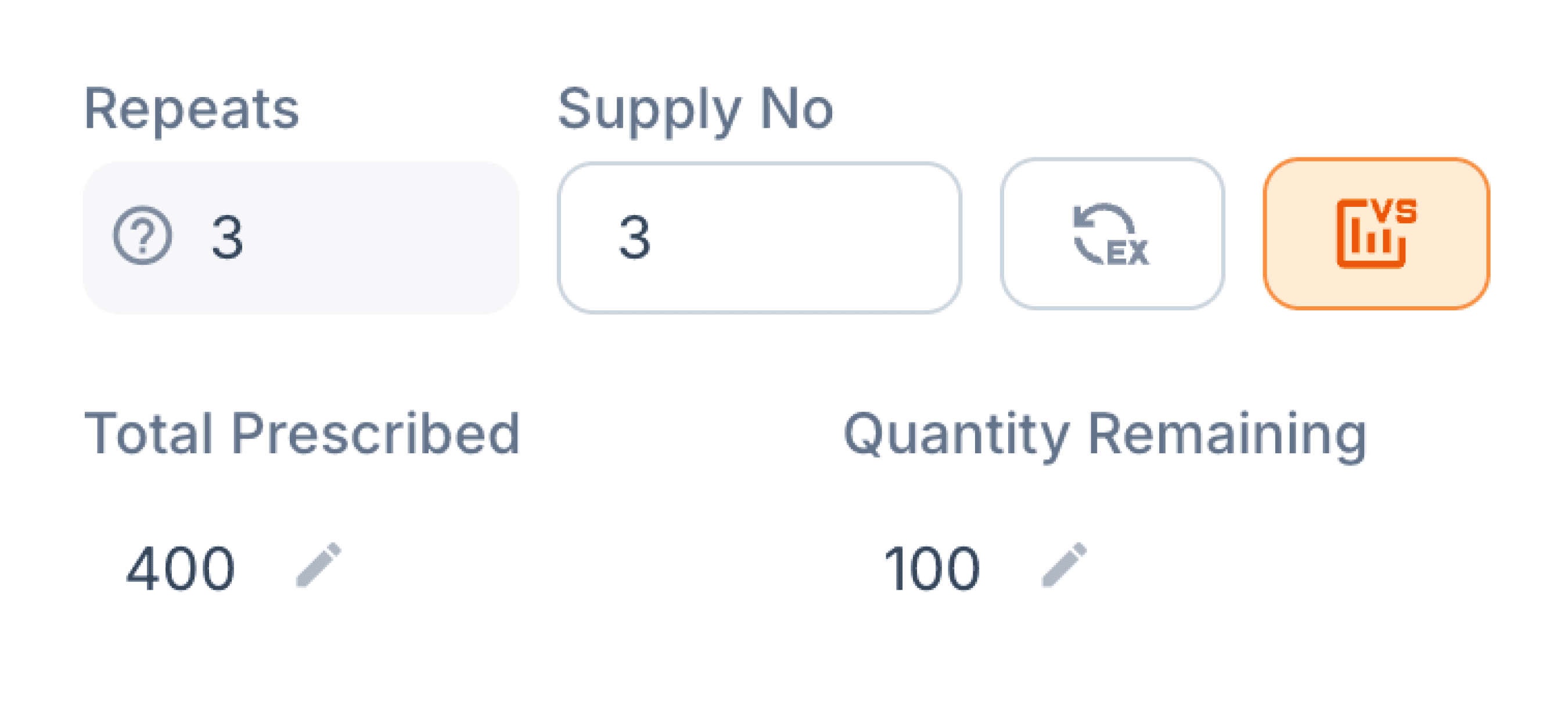
From the drafts page
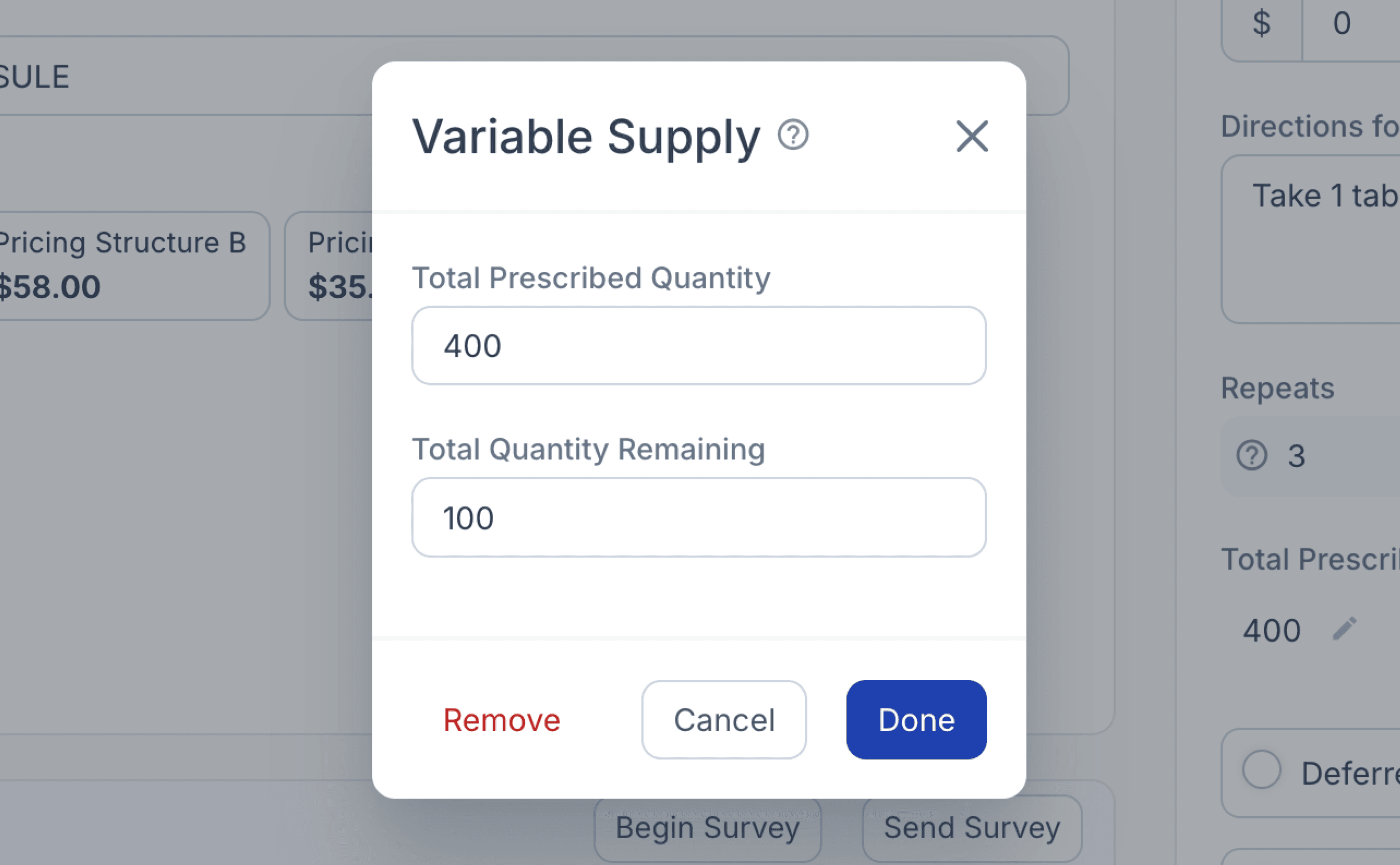
From the drafts page
When all repeats have been used but the customer still has some units left due to variable supply on previous repeats, the remaining quantity will be shown above the variable supply badge on the Customer page.

From the customer page
To prepare the remaining units, click the compound name and create another repeat. This can still be done even after all the repeats have been used, provided there are still units remaining from the original prescription.
For example, if a customer was prescribed a total of 400 units, with 100 units per repeat, but only 50 units are dispensed on the final repeat due to limited supply, you can still create another repeat to dispense the remaining 50 units.
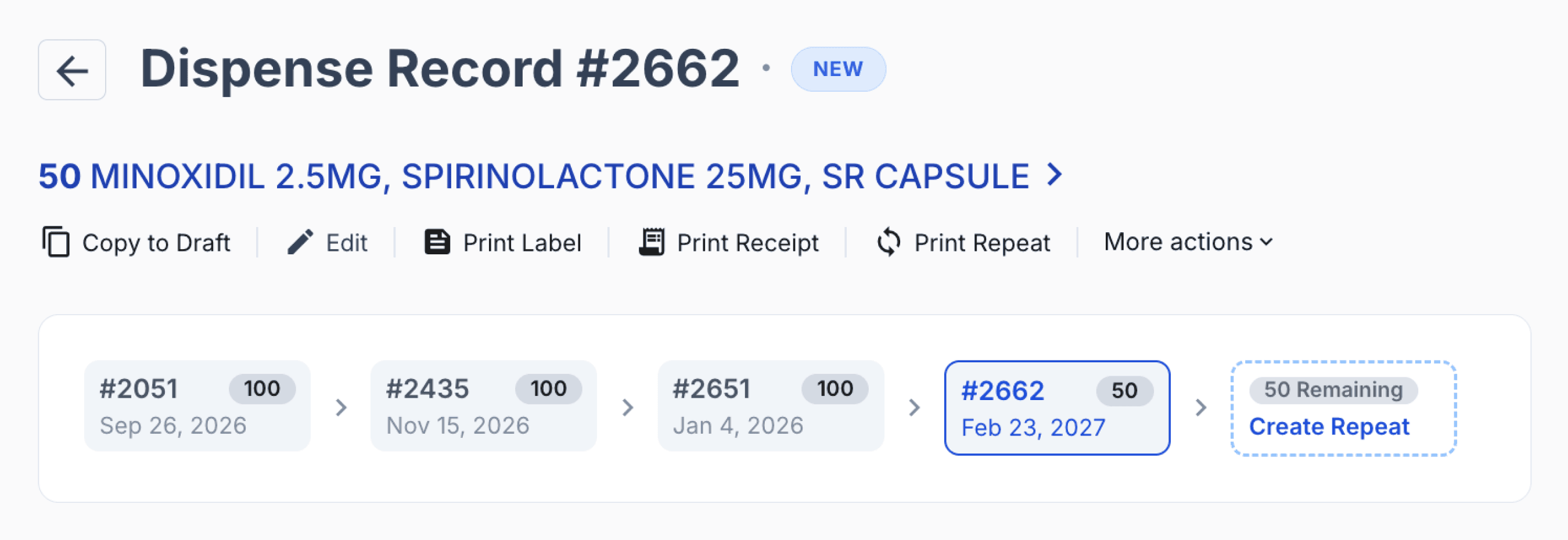
From the dispensed page
External repeats
Scripts can be marked as external repeats when dispensing scripts that were initially supplied by another pharmacy, making it easier to identify and manage scripts received from external sources.
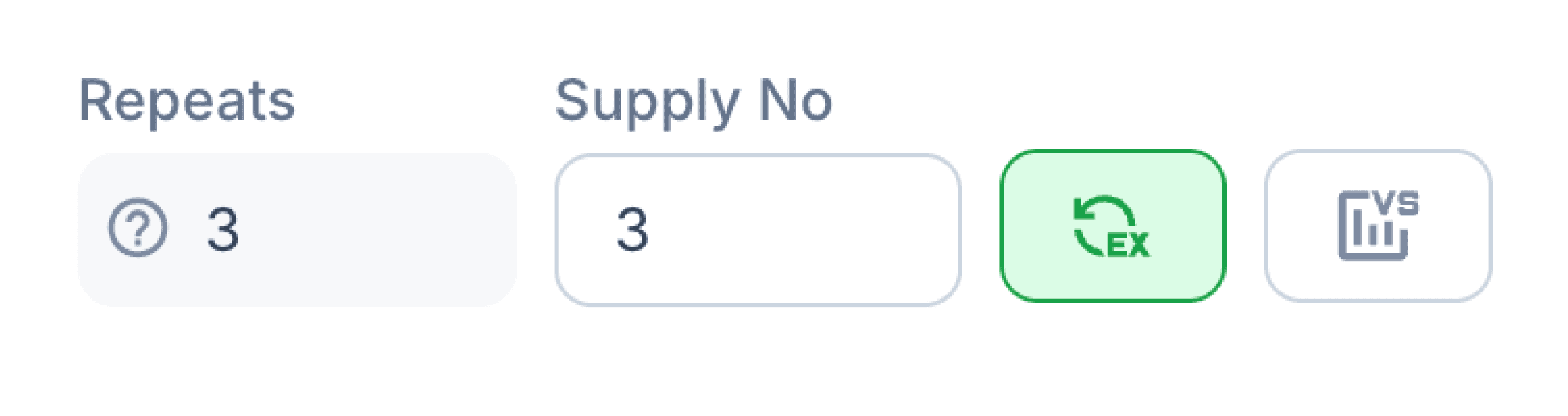
From the drafts page
When a draft is marked as an external repeat, you may add the relevant information, such as the date of previous supply, the external supply quantity, external script number, and the name of the external pharmacy.
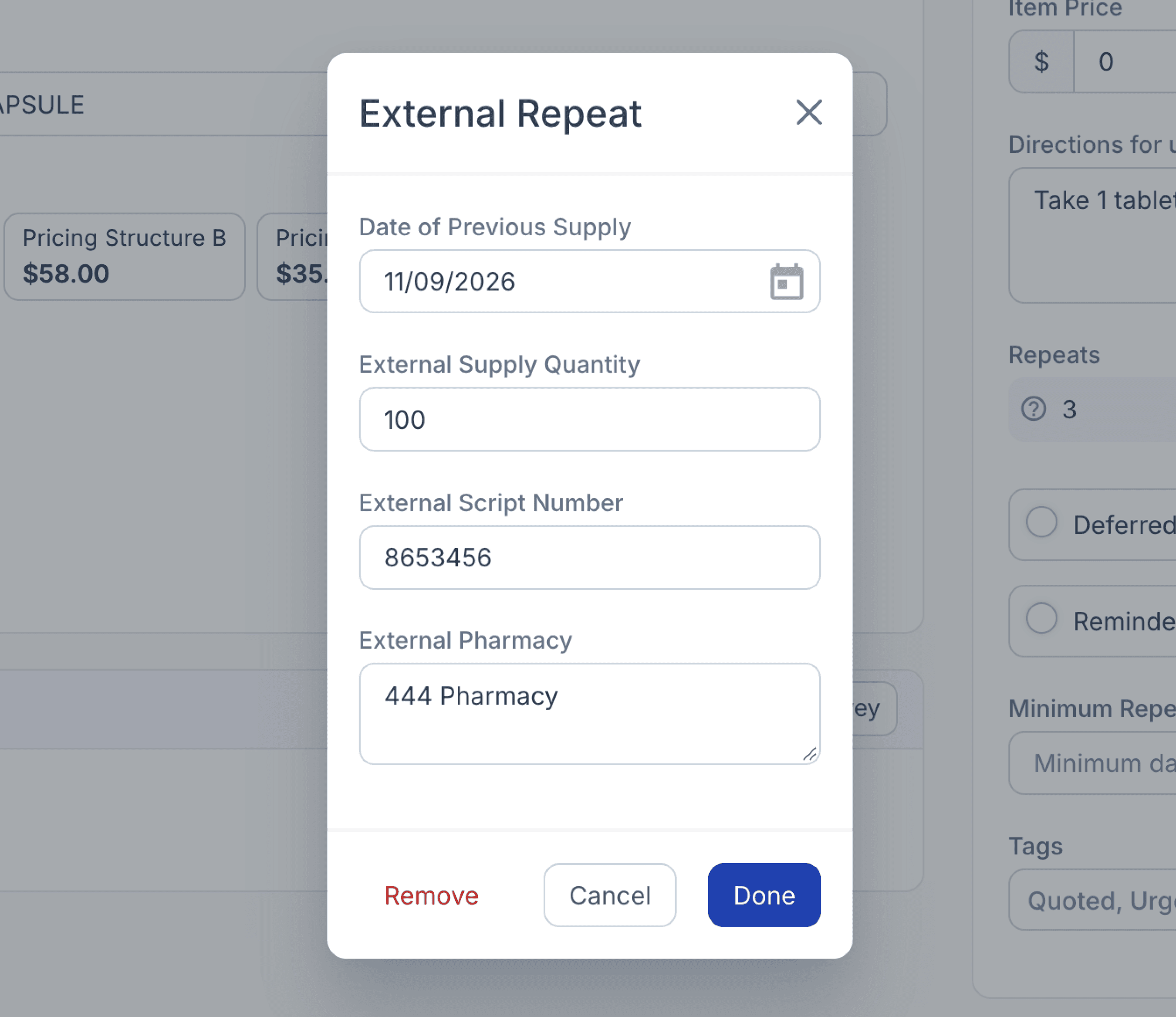
From the drafts page
Minimum repeat interval
The minimum repeat interval sets the minimum number of days that must pass before the next supply can be dispensed.
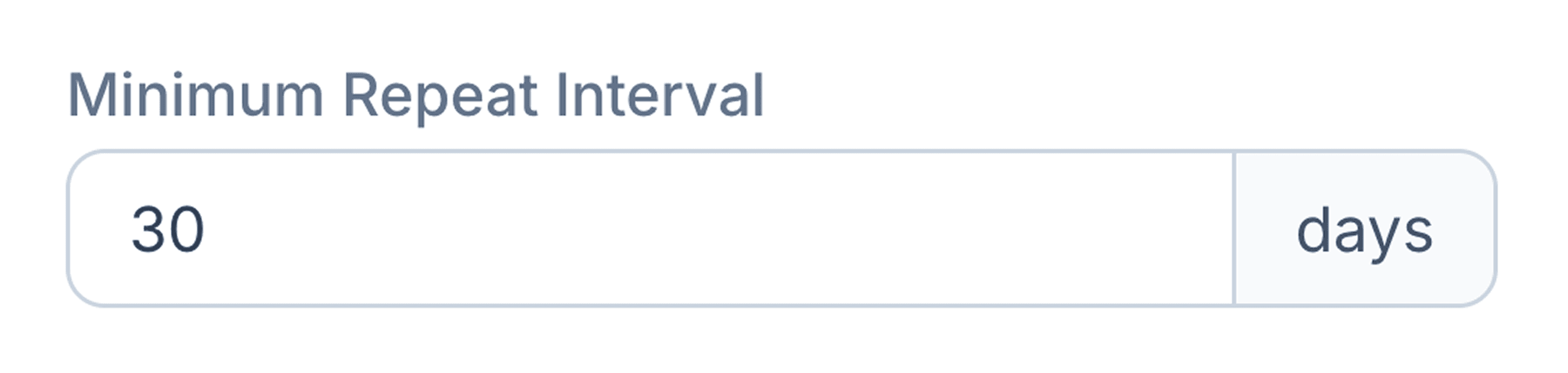
From the drafts page
If the interval is set to 30 days, the system will prevent the next supply from being dispensed until 30 days have passed since the previous supply. This is useful when we need to control when the next supply can be dispensed, particularly for prescriptions where early or multiple dispensing needs to be restricted.
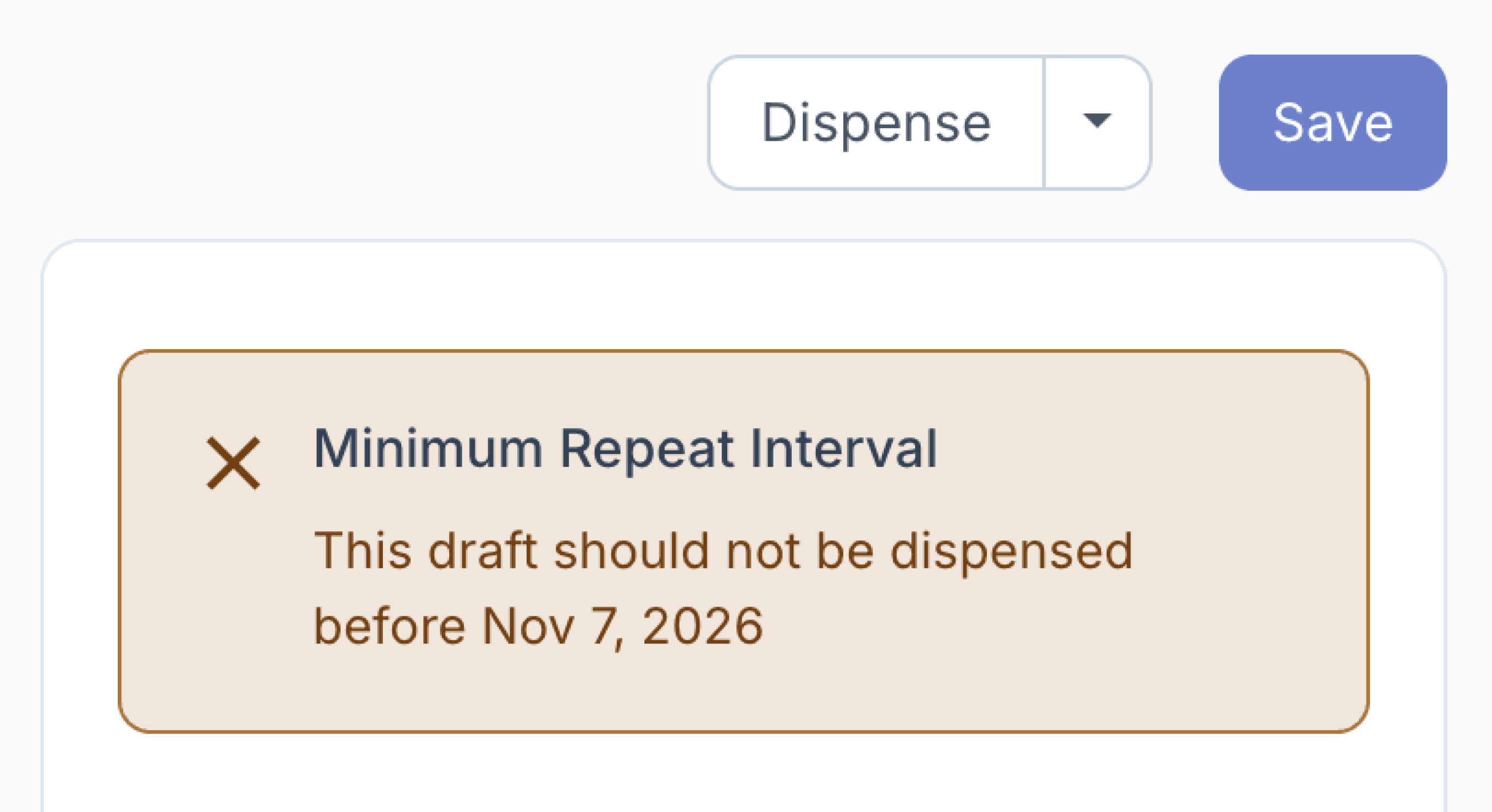
From the drafts page
Deferred
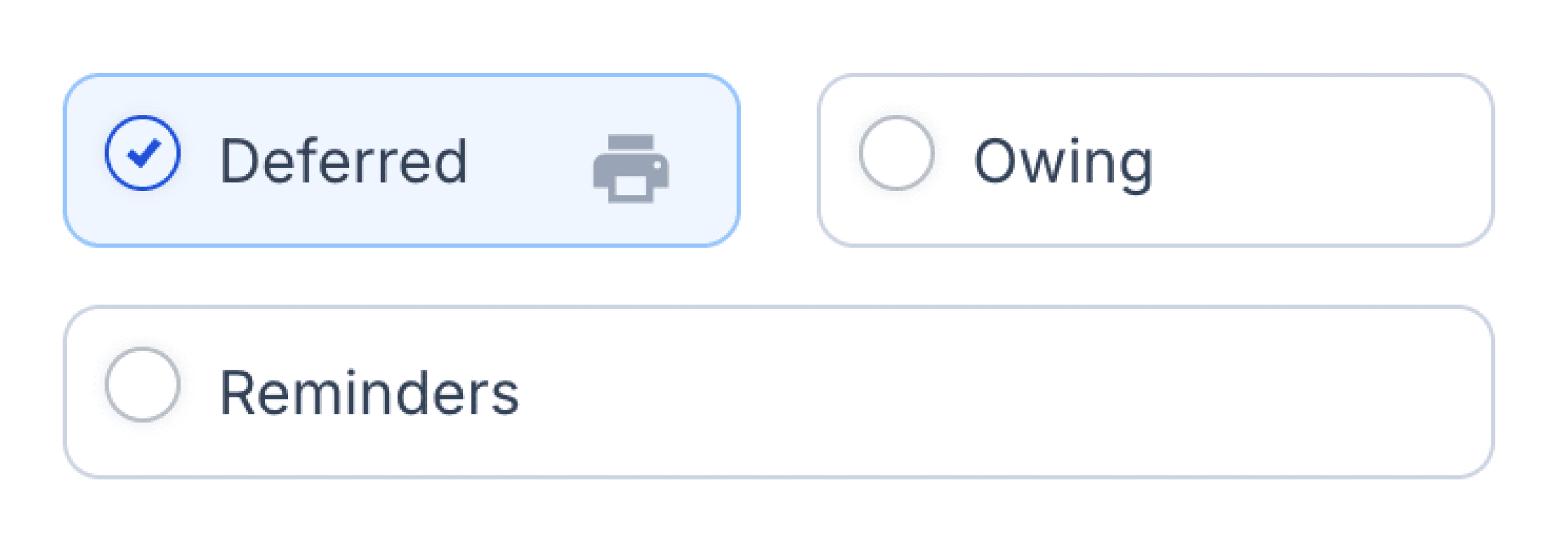
A prescription can be marked as deferred when the patient presents the prescription but does not want the medication dispensed immediately. This can be useful when a prescription contains multiple items and the patient only requires some of them at that time, or when a pharmacy cannot provide all the prescribed products in the prescription.
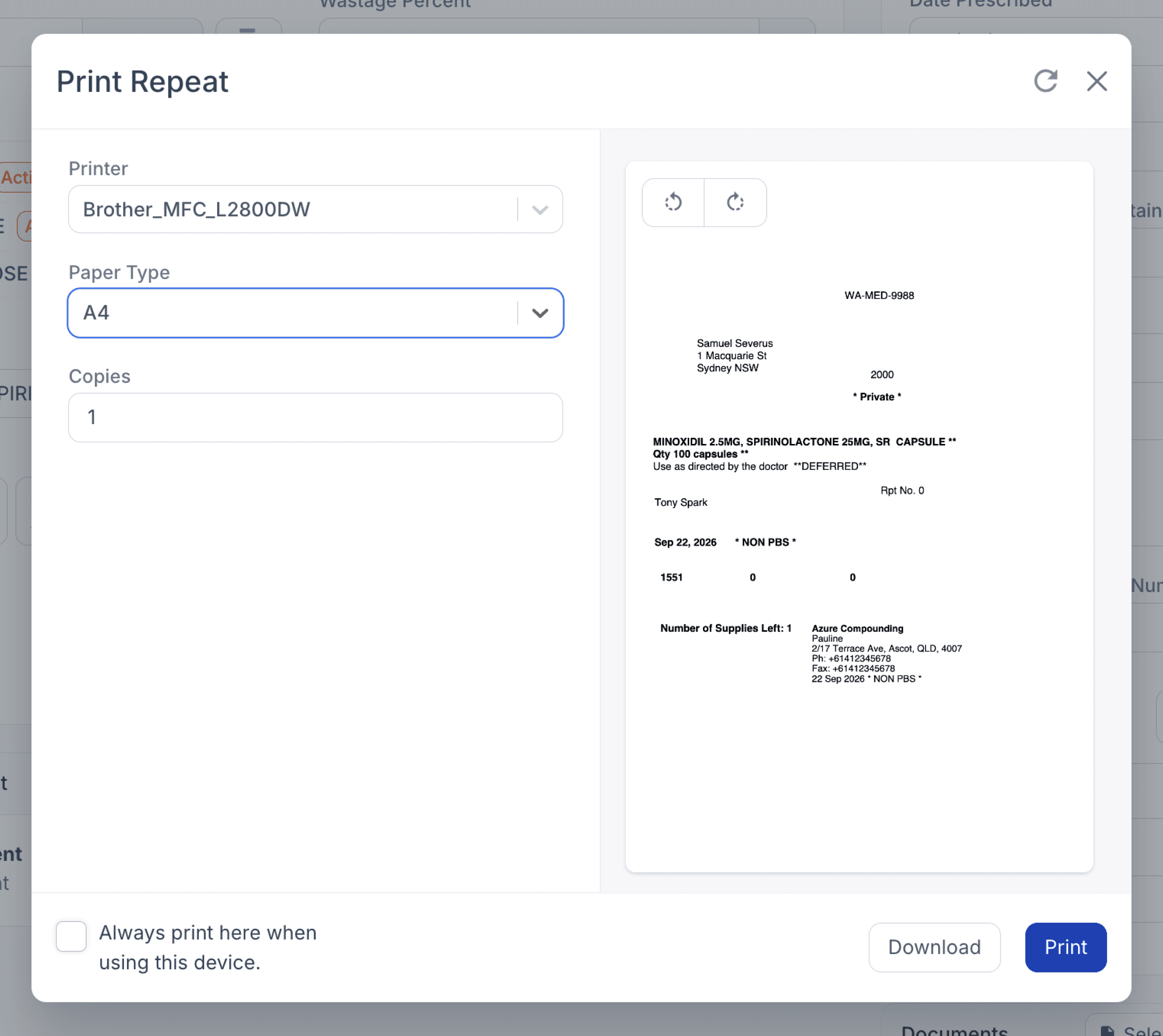
Once a script has been deferred, you can click the printer icon to generate a Repeat Authorisation document, which can be provided to the patient when the deferred supply needs to be obtained from another pharmacy.
From the drafts page
Repeat authorisation
A repeat authorisation acts as an official document that communicates with another pharmacy, allowing the patient to obtain the required supply that your pharmacy is unable to provide. This makes it easier to manage prescriptions that need to be partially supplied by another pharmacy while keeping the original prescription information available in Compound Direct.
From the drafts page
Owing
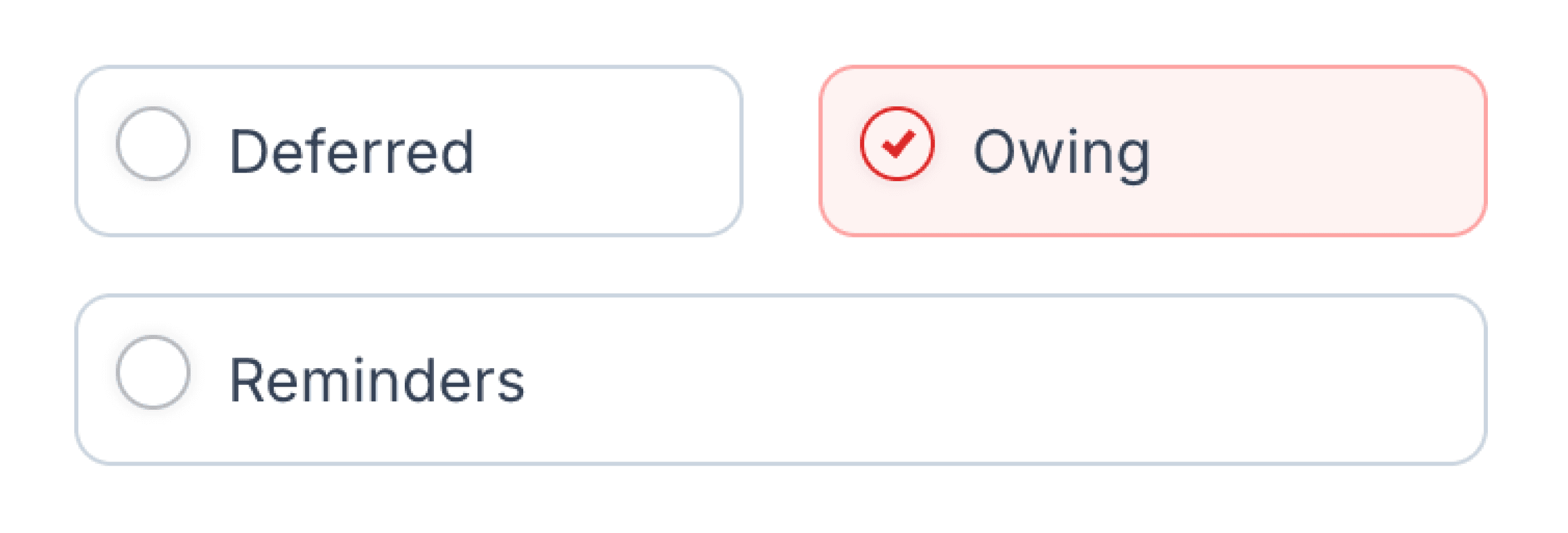
An owing prescription is used when medication needs to be dispensed before the prescription is available. This is useful when the pharmacy needs to supply the medication but is still waiting for the original prescription, such as when dispensing from a digital image of a physical script or when a new prescription is expected but has not yet been provided.
From the drafts page
Using the owing status allows the pharmacy to record the supply while keeping track of the prescription that still needs to be received. Once the prescription becomes available, the owing record can be updated accordingly.
Reminders
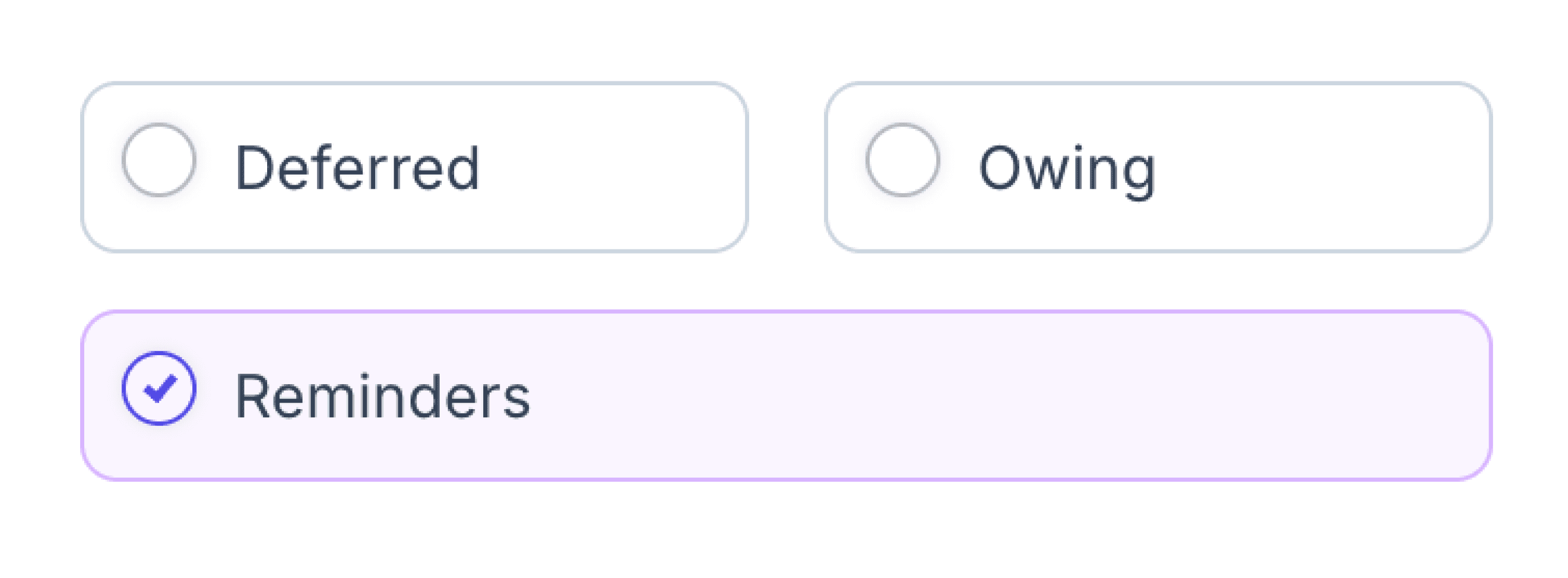
A refill reminder is an automated notification sent to a patient when they are due to refill their medication.
To set up a refill reminder, click the reminders button and configure the relevant reminder details, including the number of days of supply and the preferred reminder preference.
From the drafts page
To learn more about the refill reminder system, see our blog: Automatic Refill Reminder System: Stay ahead of patient refills with Compound Direct
Summary
The Compound Direct repeats system provides a structured way to manage prescriptions throughout their dispensing lifecycle. The Supply Number records each supply made against a prescription, while features such as Variable Supply, External Repeats, Deferred, and Owing support different dispensing scenarios and help maintain an accurate record of prescription activity.
The system also supports Repeat Authorisations when a deferred supply needs to be obtained from another pharmacy, while Refill Reminders help pharmacies notify patients when they are due for their next supply.
Together, these features provide greater visibility into prescription status and dispensing history, helping pharmacies manage repeat prescriptions, outstanding supplies, and patient reminders in a more consistent and streamlined workflow.
All names and medical data shown in software screenshots are fictional and for demonstration purposes only. These figures represent fictional persons; any resemblance to real individuals is purely coincidental. Use of existing fictional names is for illustrative purposes and does not imply affiliation or endorsement.